
MENTIROSA
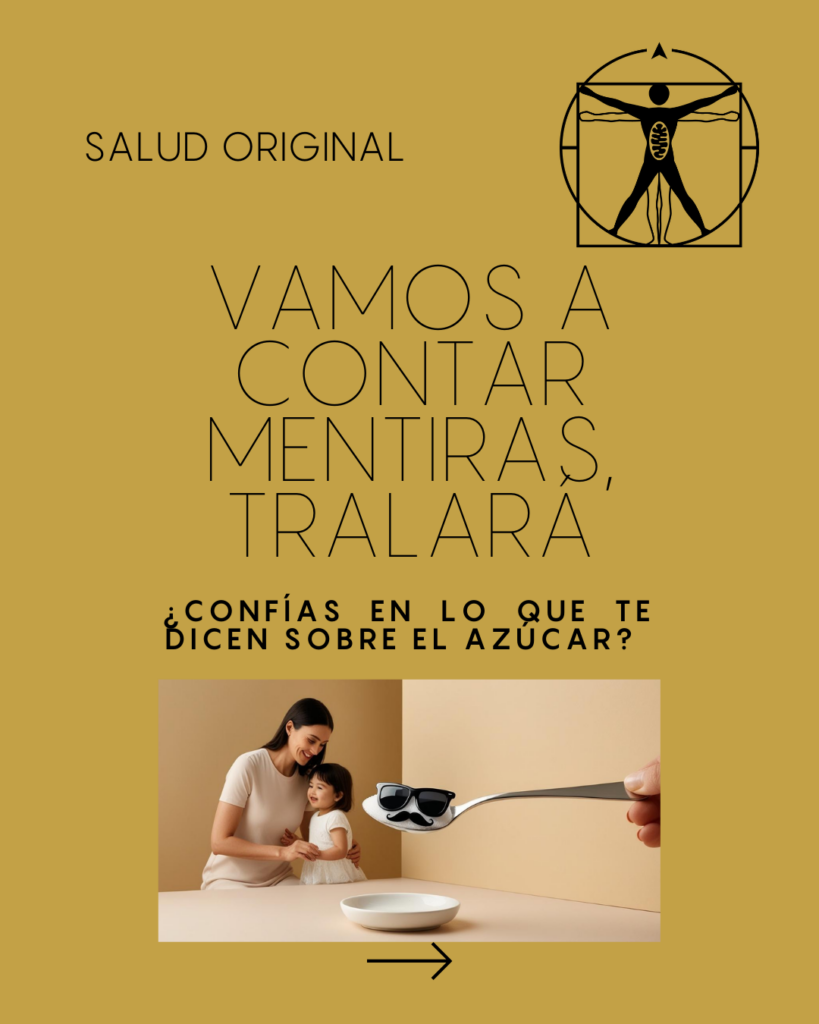
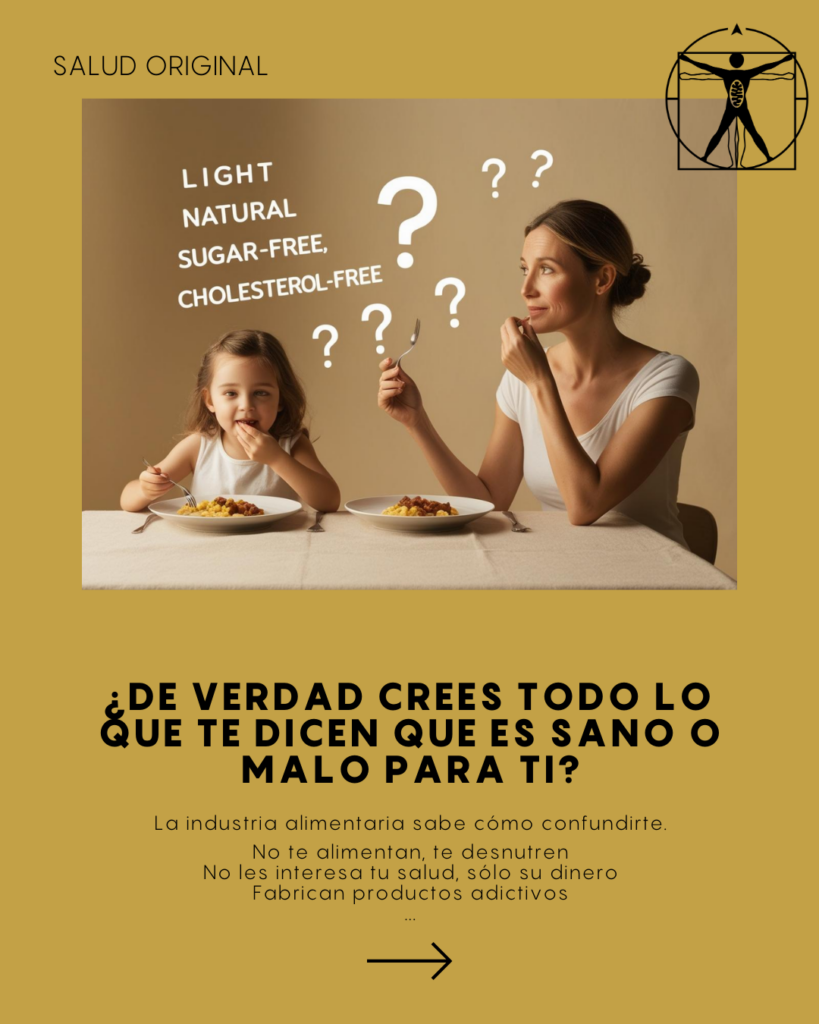
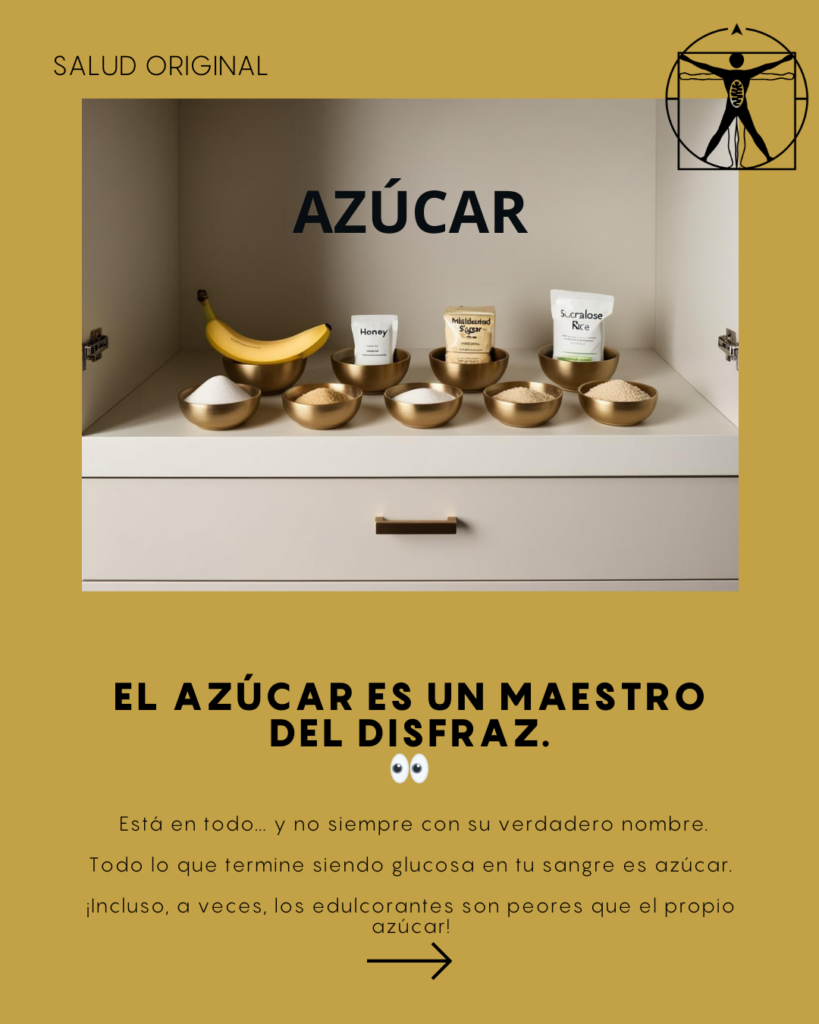
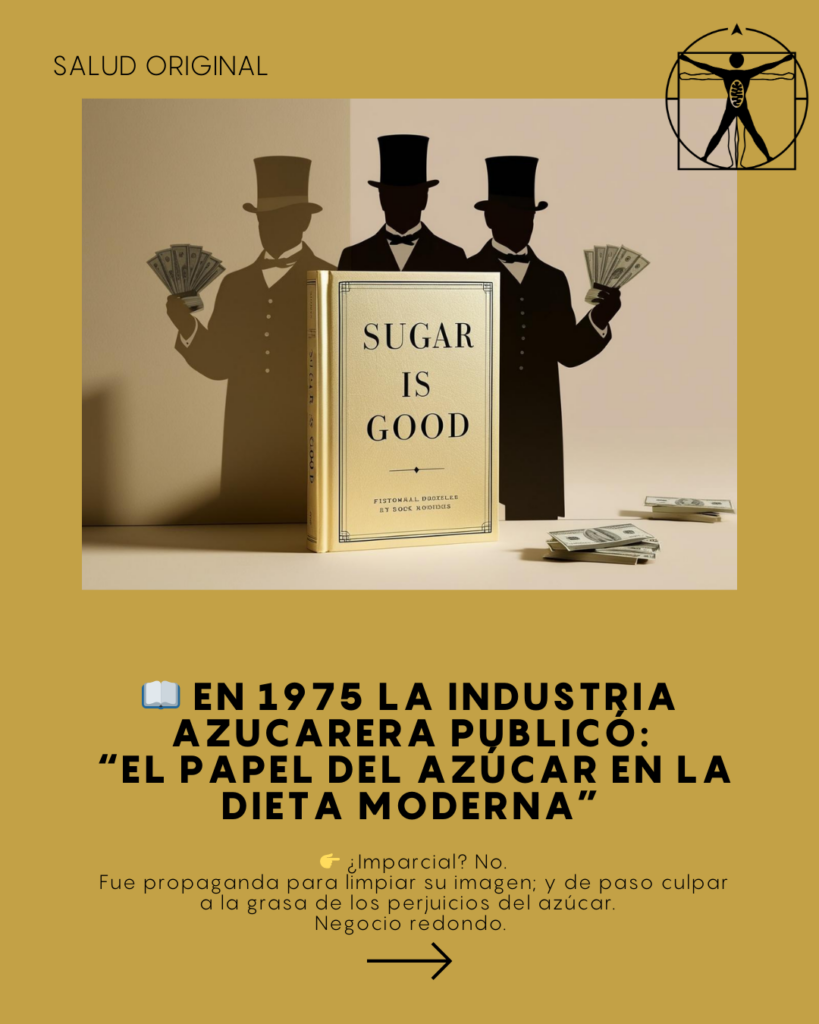

MENTIROSA

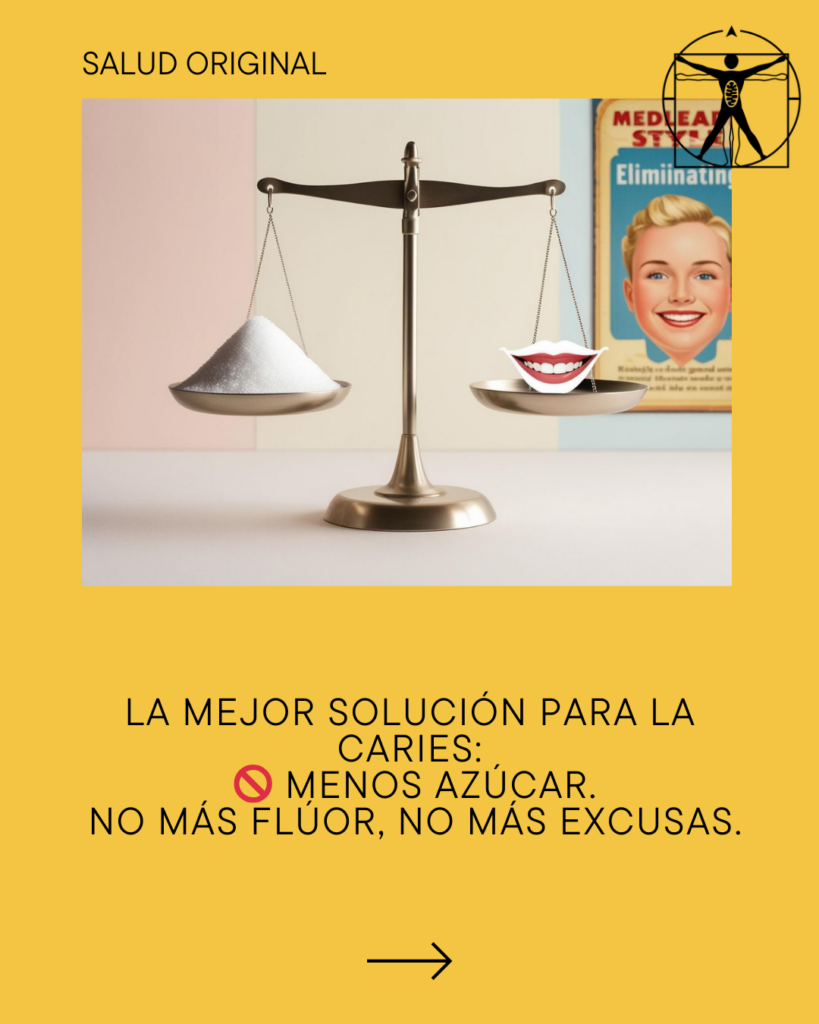
CARIES





Supera tu cansancio


Otra gran MENTIRA

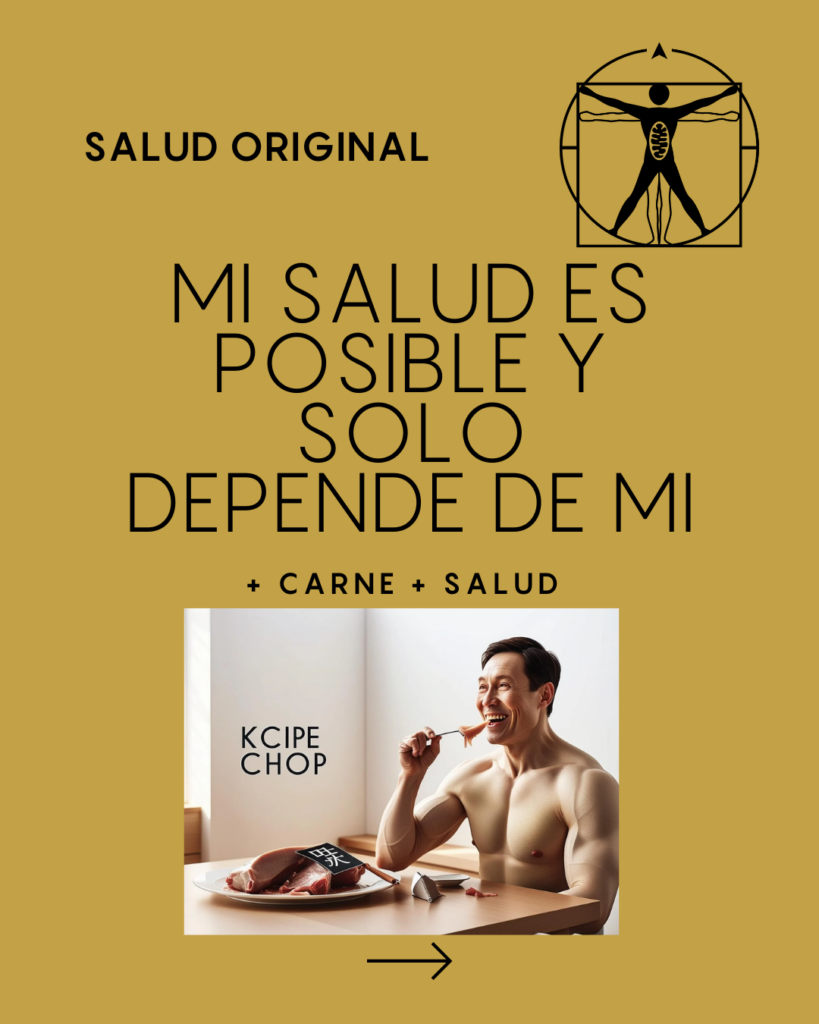
CARNE
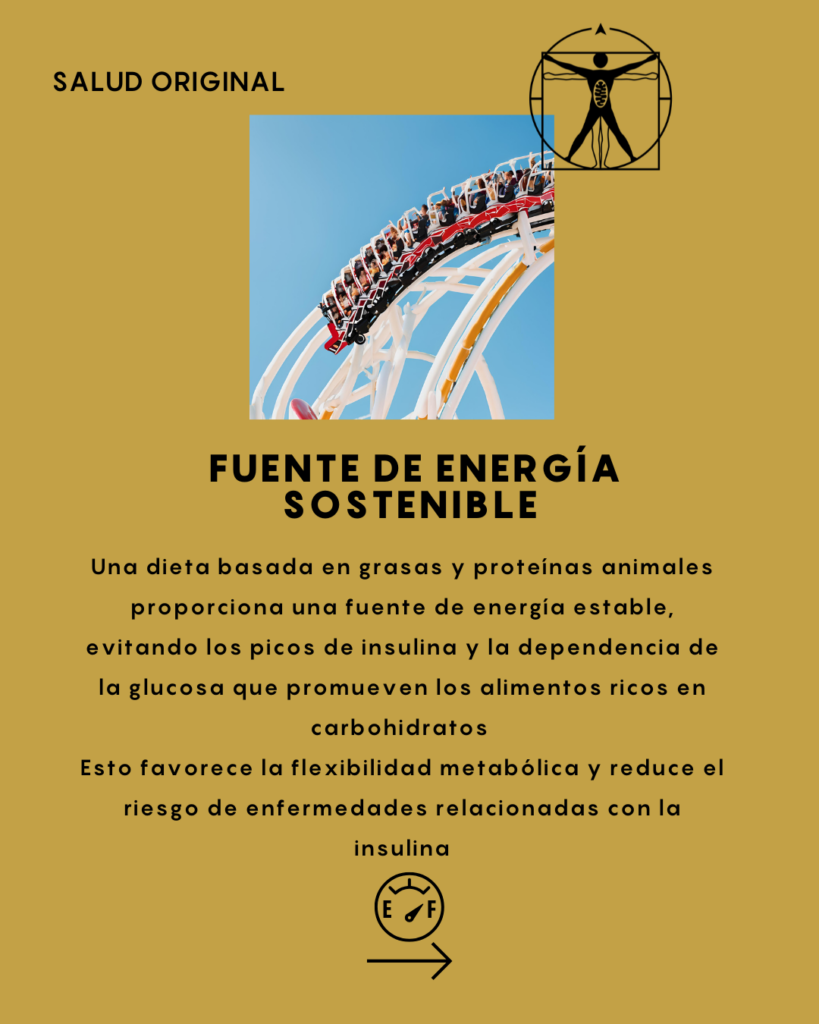
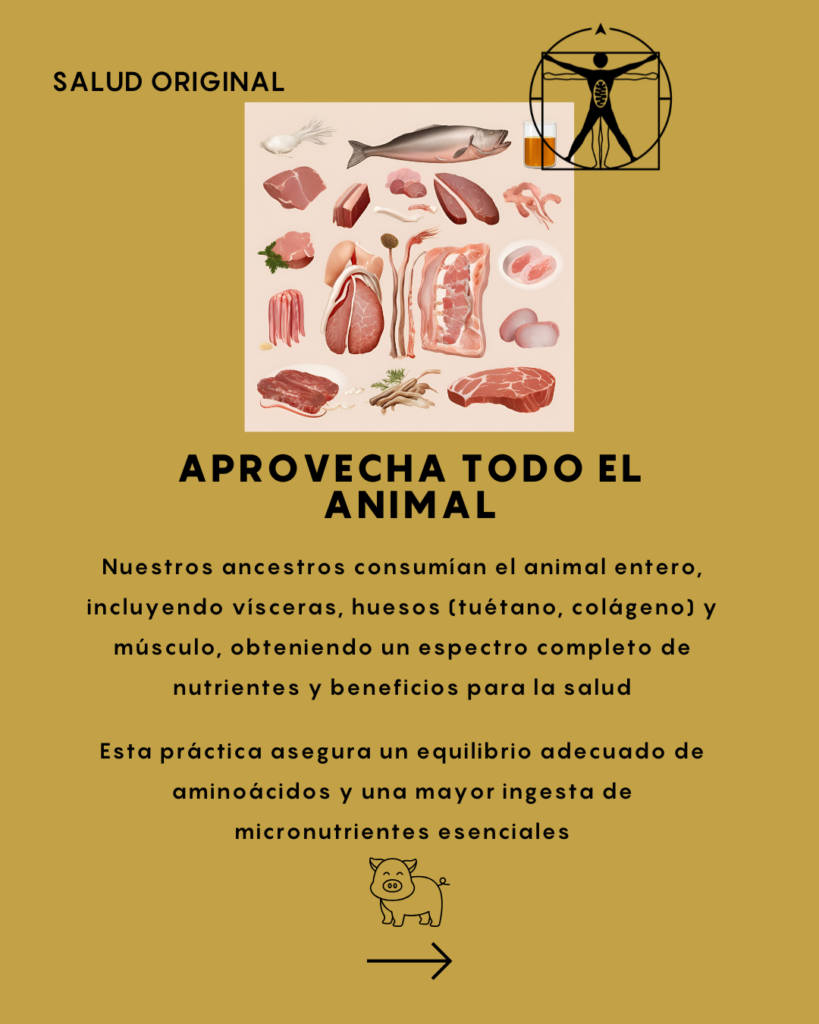
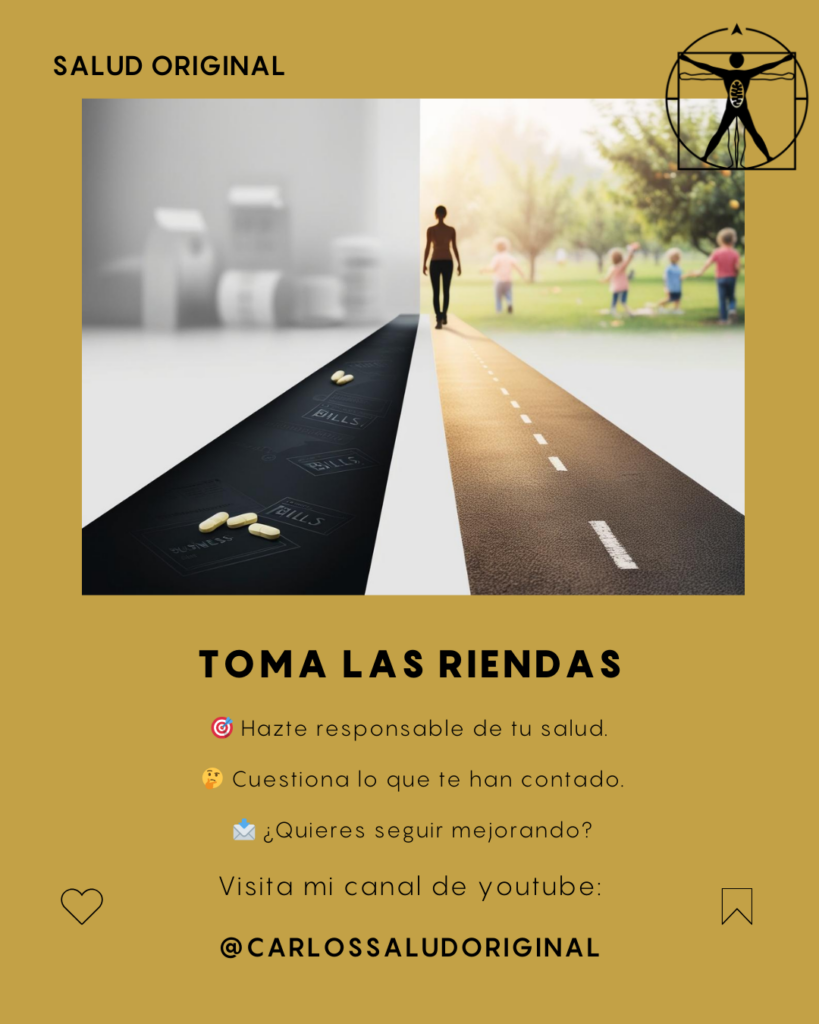

Soluciona el dolor de una vez!
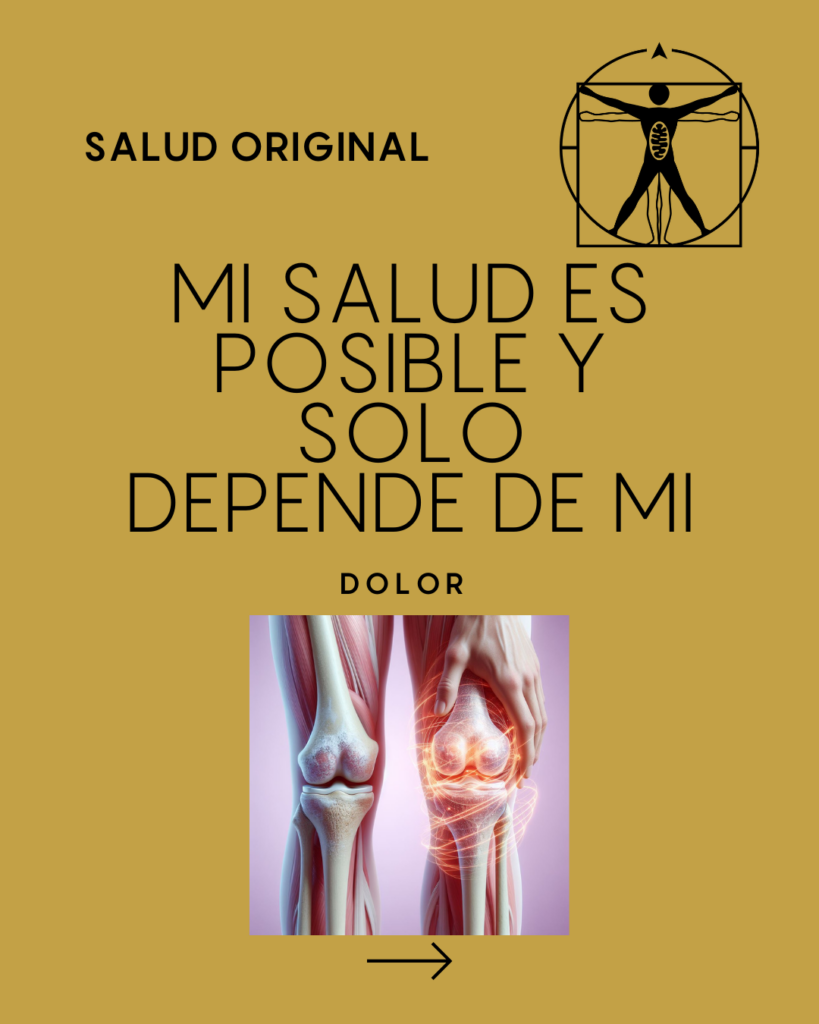

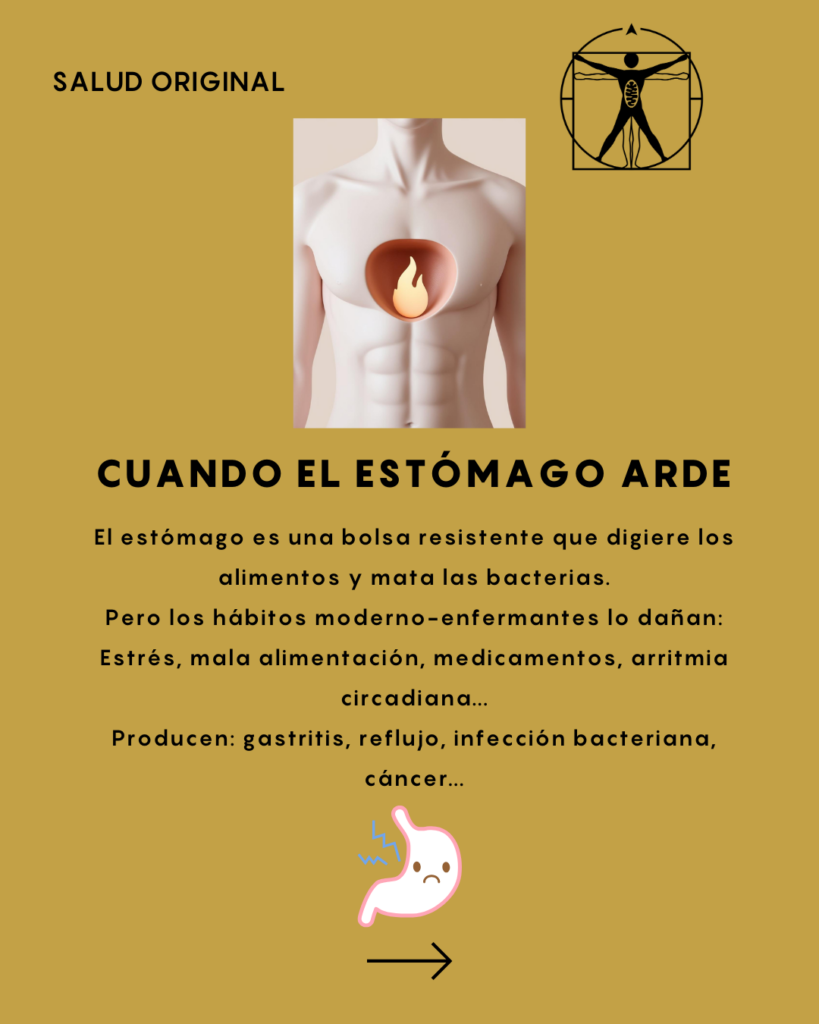
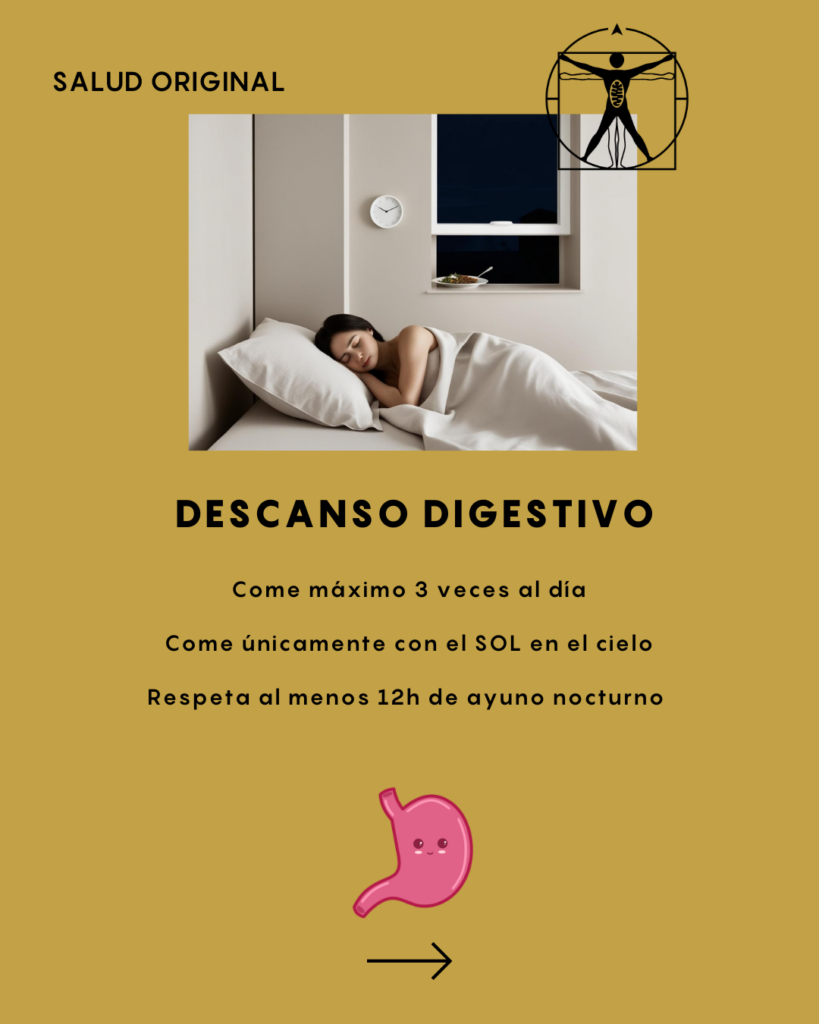
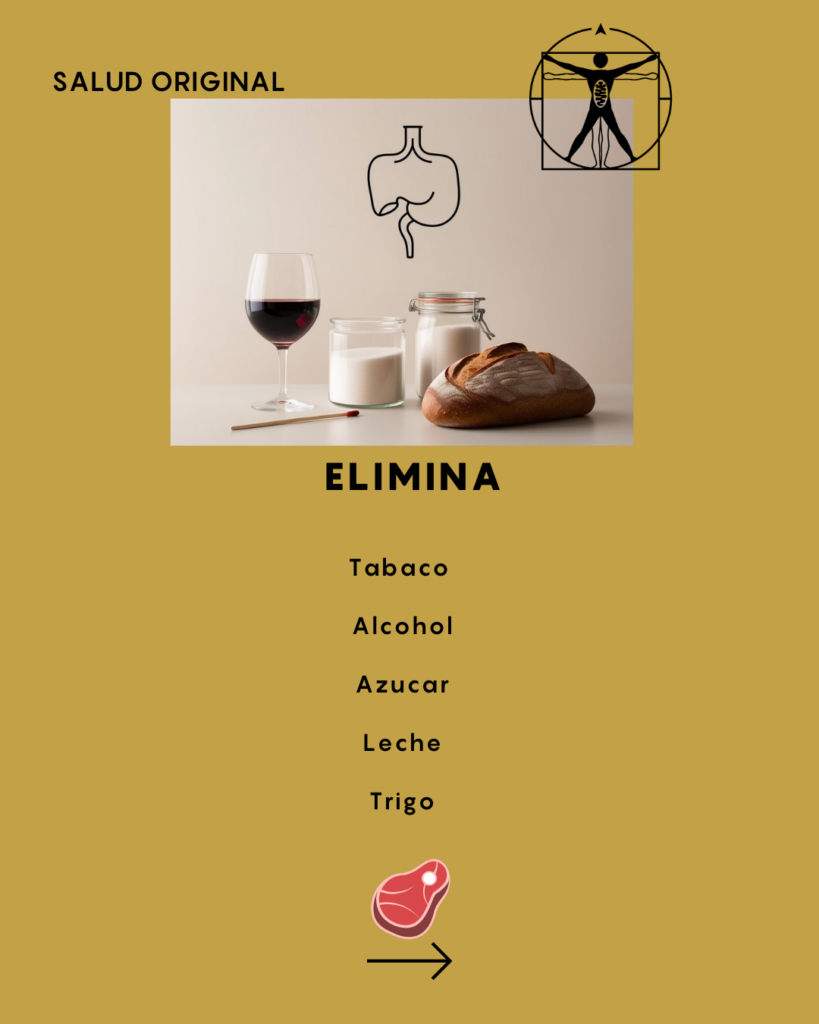
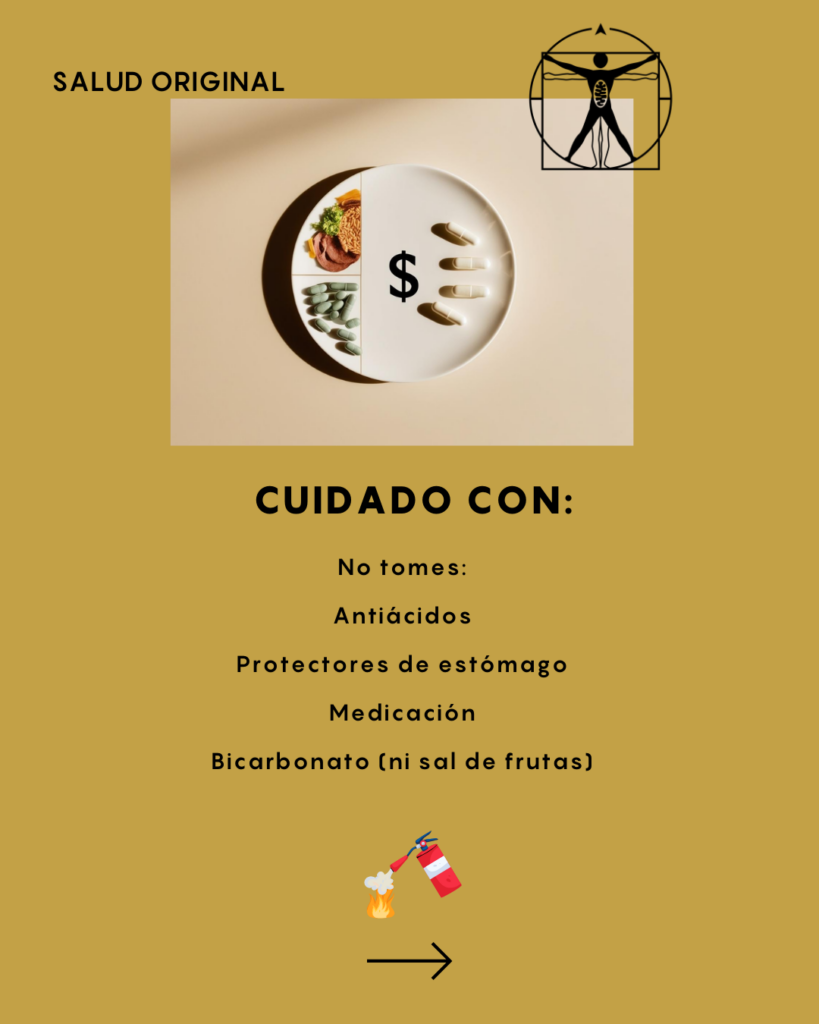
SANA TU ESTÓMAGO PARA SIEMPRE

El flicker hace referencia al parpadeo que producen todas las fuentes artificiales de luz (lámparas y pantallas). El SOL no parpadea; y aunque tu no seas consciente tu cuerpo si registra y reacciona al parpadeo[1]. El SOL no parpadea, la luz artificial sí, y se conocen parte de sus efectos, pero el peligroso es el SOL que es gratis y siempre estuvo ahí…
El parpadeo, que tu conciencia no percibe, tus nervios opticos sí perciben y les afecta (mandando la señal al músculo de abrir y cerrar la retina cada parpadeo de la luz); y llega a tu cerebro y lo vuelve loco: alterando la mente, reduciendo la capacidad de concentración, incrementando el malestar emocional…
El flicker, o parpadeo, es una forma de ahorrar energía; ya que si bien no lo percibimos, una fuente de luz (bombilla o pantalla de pc o móvil) que se apaga de cada segundo una quinta parte, está ahorrando… Esto lo hace en microsegundos de apagado, seguido de otros tantos de encendido.
| Tema | Qué dice la evidencia | Estudios / guías clave | Recomendaciones prácticas |
| Cefaleas y fatiga visual | Fluorescentes con baja frecuencia (≈100 Hz) duplican cefaleas/fatiga vs alta frecuencia (~30–40 kHz) en diseño doble ciego y cruzado. | Wilkins AJ et al., 1989 (oficinas, doble ciego). | Preferir drivers alta frecuencia (kHz) o corriente continua (DC). Evitar balastos antiguos. |
| Bienestar y rendimiento | Con 100 Hz hay peor bienestar y mayor activación fisiológica aun sin percibir el parpadeo; mejora con alta frecuencia. | Küller & Laike, 1998 (Ergonomics). | En entornos de trabajo/aulas, exigir luminarias con bajo flicker y certificarlo in situ. |
| Efectos “subperceptuales” | El SNC/retina responde a flicker >100 Hz aunque no sea consciente; puede contribuir a molestias en población sensible. | ERG (>100 Hz); IEEE Std 1789-2015. | Mantener profundidad de modulación baja incluso a 100/120 Hz. Atención a personas sensibles (migraña, epilepsia fotosensible). |
| Piel fotosensible (no “flicker”) | La piel expresa opsinas (OPN3) y responde a luz (p. ej., UVA) con señalización celular; muestra fotosensibilidad aunque no “vea”. | Ozdeslik RN, 2019 (PNAS); trabajos recientes en OPN3. | No es detección de flicker, pero refuerza que tejidos no visuales responden a luz: cuidar espectro y estabilidad luminosa. |
| Rangos de mayor riesgo | 3–70 Hz: más problemático (dolor de cabeza, mareo, estroboscopia). 100/120 Hz: riesgo subperceptual si la modulación es alta. >1 kHz: bajo riesgo. | IEEE Std 1789-2015; guías DOE/PNNL. | Evitar PWM lento. Si se usa PWM, que sea kHz y con poca modulación. |
| Límites de modulación (regla práctica) | Para población general: %Mod ≲ 0,08 × frecuencia (Hz). Sensibles: %Mod ≲ 0,033 × frecuencia. Si no conoces la frecuencia, apunta a ≤10%. | IEEE 1789; Miller & Lehman (DOE/PNNL). | Pide al proveedor datos de flicker (frecuencia y %). Verifica con medidor o laboratorio. |
| Detección rápida “de campo” | El ojo no siempre lo ve. Pistas: estelas al mover la mano, bandas con cámara lenta del móvil. | Práctica de ingeniería de iluminación. | Usa cámara del móvil en slow-motion: si ves bandas, hay flicker significativo. Cambia driver/luminaria. |
Responsabilizate de tu salud, que es lo más importante que tienes; y realiza tu propia investigación. Reduce tu exposición a fuentes de iluminación y pantallas artificiales o trata de sustituir las que puedas por algunas sin parpadeo.
Ánimo!
[1]https://ece.northeastern.edu/groups/power/lehman/Publications/Pub2010/2010_9_Wilkins.pdf
Aquí tienes las referencias del libro SANA TU HIPOTIROIDISMO publicado en AMAZON. Se trata de unas 50 páginas del libro que pensé que mejor ahorrábamos papel…; aquí siempre la vas a tener disponible desde donde estés.
Si ya compraste el libro, espero que te haya ayudado; si lo quieres adquirir me puedes buscar y escribir en redes (@carlossaludoriginal) o lo puedes adquirir en AMAZON. Gracias en cualquier caso.
Ánimo!
REFERENCIAS
INTRODUCCIÓN
CAPÍTULO I: ¿QUÉ ES EL HIPOTIROIDISMO?
CAPÍTULO II: ESTÁS BIEN, LO TUYO ES MENTAL
CAPÍTULO III: ESTOY HARTO
CAPÍTULO IV: ¡ESTOY CURADO!
CAPÍTULO V: TÚ TAMBIÉN PUEDES SANAR
Capítulo I
Ravelli, A. C. J., van der Meulen, J. H., Michels, R. P. J., Osmond, C., Barker, D. J. P., Hales, C. N., & Bleker, O. P. (1998). Glucose tolerance in adults after prenatal exposure to famine. The Lancet, 351(9097), 173–177. https://doi.org/10.1016/S0140-6736(97)07244-9
Enlace: https://pubmed.ncbi.nlm.nih.gov/9449872/
Ravelli, G. P., Stein, Z. A., & Susser, M. W. (1976). Obesity in young men after famine exposure in utero and early infancy. The New England Journal of Medicine, 295(7), 349–353. https://doi.org/10.1056/NEJM197608122950701
Enlace (PDF): https://www.nejm.org/doi/pdf/10.1056/NEJM197608122950701
Roseboom, T., de Rooij, S., & Painter, R. (2006). The Dutch famine and its long-term consequences for adult health. Early Human Development, 82(8), 485–491. https://doi.org/10.1016/j.earlhumdev.2006.07.001
Enlace: https://pubmed.ncbi.nlm.nih.gov/16876341/
Susser, E. S., & Lin, S. P. (1992). Schizophrenia after prenatal exposure to the Dutch Hunger Winter of 1944–1945. Archives of General Psychiatry, 49(12), 983–988. https://doi.org/10.1001/archpsyc.1992.01820120071010
Enlace: https://jamanetwork.com/journals/jamapsychiatry/fullarticle/495981
Heijmans, B. T., Tobi, E. W., Stein, A. D., Putter, H., Blauw, G. J., Susser, E. S., Slagboom, P. E., & Lumey, L. H. (2008). Persistent epigenetic differences associated with prenatal exposure to famine in humans. Proceedings of the National Academy of Sciences, 105(44), 17046–17049. https://doi.org/10.1073/pnas.0806560105
Enlaces: https://pmc.ncbi.nlm.nih.gov/articles/PMC2579375/ (texto completo) | https://pmc.ncbi.nlm.nih.gov/articles/PMC3257695/
Brenna, J. T., & Carlson, S. E. (2014). Docosahexaenoic acid and human brain development: Evidence that a dietary supply is needed for optimal development. Journal of Human Evolution, 77, 99–106. https://doi.org/10.1016/j.jhevol.2014.02.017
Enlace: https://pubmed.ncbi.nlm.nih.gov/24780861/
Aquatic ape hypothesis. (s. f.). Wikipedia, The Free Encyclopedia. Recuperado el 16 de septiembre de 2025, de https://en.wikipedia.org/wiki/Aquatic_ape_hypothesis
The Descent of Woman. (s. f.). Wikipedia, The Free Encyclopedia. Recuperado el 16 de septiembre de 2025, de https://en.wikipedia.org/wiki/The_Descent_of_Woman
Hwang, S., Lim, J.-e., Choi, Y., & Jee, S. H. (2018). Bisphenol A exposure and type 2 diabetes mellitus risk: A meta-analysis. BMC Endocrine Disorders, 18, 81. https://doi.org/10.1186/s12902-018-0310-y
Enlace: https://bmcendocrdisord.biomedcentral.com/articles/10.1186/s12902-018-0310-y
Tomov, D. G., & Levterova, B. A. (2024). Influence of the increase in intestinal permeability and microbiota change in the development of Hashimoto’s thyroiditis: Systematic review. Endocrine and Metabolic Science, 16, 100195. https://doi.org/10.1016/j.endmts.2024.100195
Enlace: https://www.sciencedirect.com/science/article/pii/S2666396124000396
Cayres, L. C. de F., de Salis, L. V. V., Rodrigues, G. S. P., Lengert, A. v. H., Biondi, A. P. C., Sargentini, L. D. B., Brisotti, J. L., Gomes, E., & de Oliveira, G. L. V. (2021). Detection of alterations in the gut microbiota and intestinal permeability in patients with Hashimoto thyroiditis. Frontiers in Immunology, 12, 579140. https://doi.org/10.3389/fimmu.2021.579140
Enlace: https://pubmed.ncbi.nlm.nih.gov/33746942/
Küçükemre Aydın, B., Yıldız, M., Akgün, A., Topal, N., Adal, E., & Önal, H. (2020). Children with Hashimoto’s thyroiditis have increased intestinal permeability: Results of a pilot study. Journal of Clinical Research in Pediatric Endocrinology, 12(3), 303–307. https://doi.org/10.4274/jcrpe.galenos.2020.2019.0186
Enlace: https://pmc.ncbi.nlm.nih.gov/articles/PMC7499128/
Zhu, Z., Xu, P., Guan, Y., et al. (2024). Outdoor light-at-night exposure associated with hypothyroidism in pregnant women: A national cohort in China. Science of The Total Environment, 912, 178017. https://doi.org/10.1016/j.scitotenv.2024.178017
Enlace: https://pubmed.ncbi.nlm.nih.gov/39693646/
The thyroid and the gut. (2021). Thyroid Research, 14, 6. https://pmc.ncbi.nlm.nih.gov/articles/PMC7905158/
Thyroid Physiology and Diagnostic Evaluation of Thyroid Disorders. In: Endotext. MDText.com, Inc. (Consulta: 16 de septiembre de 2025).
Enlace: https://www.ncbi.nlm.nih.gov/books/NBK470561/
Cheng, M., et al. (2024). Accelerated biological aging six decades after prenatal exposure to famine. Proceedings of the National Academy of Sciences, 121(24), e2319179121. https://doi.org/10.1073/pnas.2319179121.
Lu, Y.-F., Goldstein, D. B., Angrist, M., & Cavalleri, G. (2014). Personalized medicine and human genetic diversity. Cold Spring Harbor Perspectives in Medicine, 4(9), a008581. https://doi.org/10.1101/cshperspect.a008581
Enlace: https://pmc.ncbi.nlm.nih.gov/articles/PMC4143101/
https://royalsocietypublishing.org/doi/full/10.1098/rstb.2020.0417
https://www.jlr.org/article/S0022-2275%2823%2900023-8/fulltext
https://pmc.ncbi.nlm.nih.gov/articles/PMC4942259
https://pubmed.ncbi.nlm.nih.gov/15254070
https://assets.radcliffecardiology.com/s3fs-public/article-pdf/2020-12/kostner_0.pdf
https://www.nature.com/articles/s41392-022-01125-5
https://pmc.ncbi.nlm.nih.gov/articles/PMC9025004
https://www.endocrinepractice.org/article/S1530-891X(20)48447-2/abstract
Artificial light at night y cáncer de tiroides: https://pmc.ncbi.nlm.nih.gov/articles/PMC10236487/
https://www.ncbi.nlm.nih.gov/books/NBK285560
Folia Morphologica https://journals.viamedica.pl/folia_morphologica/article/view/58220
https://pubmed.ncbi.nlm.nih.gov/31062236
https://pubmed.ncbi.nlm.nih.gov/29285437
https://pubmed.ncbi.nlm.nih.gov/37255871
https://pubmed.ncbi.nlm.nih.gov/20807179
https://pubmed.ncbi.nlm.nih.gov/34567874
https://pubmed.ncbi.nlm.nih.gov/8635781
https://pmc.ncbi.nlm.nih.gov/articles/PMC3453633
International Journal of Contemporary Pediatrics https://www.ijpediatrics.com/index.php/ijcp/article/view/1518
IAP-KPJ https://iap-kpj.org/thyroid-status-in-children-with-severe-acute-malnutrition/
https://pubmed.ncbi.nlm.nih.gov/23800456
https://pubmed.ncbi.nlm.nih.gov/3121981
What animal DNA do humans have? Recuperado el 16 de septiembre de 2025, de https://enviroliteracy.org/what-animal-dna-do-humans-have/
Human DNA percent shared. Recuperado el 16 de septiembre de 2025, de https://www.owenborville.org/human-dna-percent-shared.html
Mouse Aids Navigating Gene Maze. Recuperado el 16 de septiembre de 2025, de https://www.wired.com/2000/07/mouse-aids-navigating-gene-maze/
Comparing Genetic Similarities of Various Life Forms. Recuperado el 16 de septiembre de 2025, de https://www.visualcapitalist.com/comparing-genetic-similarities-of-various-life-forms/
https://pubmed.ncbi.nlm.nih.gov/40226662
https://pubmed.ncbi.nlm.nih.gov/38736825
https://pubmed.ncbi.nlm.nih.gov/15650357
https://pubmed.ncbi.nlm.nih.gov/38102234
https://pubmed.ncbi.nlm.nih.gov/2220619
https://pubmed.ncbi.nlm.nih.gov/28472829
https://pubmed.ncbi.nlm.nih.gov/29111822
Capítulo II
Artículos y revisiones académicas
Tondt, M., McGowan, C. J., & Westman, E. C. (2020). Application of nutrient essentiality criteria to dietary carbohydrates. Nutrition Research Reviews, 33(2). https://doi.org/10.1017/S0954422419000280 — https://www.cambridge.org/core/journals/nutrition-research-reviews/article/application-of-nutrient-essentiality-criteria-to-dietary-carbohydrates/248C77609903561AE0F4F1B454C648D7
PubMed ID 32102704. https://pubmed.ncbi.nlm.nih.gov/32102704/
Hardy, K., Brand‑Miller, J., Brown, K. D., Thomas, M. G., & Copeland, L. (2015). The importance of dietary carbohydrate in human evolution. The Quarterly Review of Biology, 90(3), 251–268. https://doi.org/10.1086/682587 — https://www.researchgate.net/publication/280735260_The_Importance_of_Dietary_Carbohydrate_in_Human_Evolution
Nutrients, 11(4), 875. https://www.mdpi.com/2072-6643/11/4/875
Hussain, S., et al. (2014). Glucokinase activity in the arcuate nucleus regulates glucose intake. Journal of Clinical Investigation. https://doi.org/10.1172/JCI77172 — (nota de prensa asociada: https://www.imperial.ac.uk/news/162530/scientists-discover-brain-mechanism-that-drives/)
PubMed ID 27637346. https://pubmed.ncbi.nlm.nih.gov/27637346/
Albayrak, Ö., et al. (2015). Evolutionary and neuropsychological perspectives on addictive behaviors and addictive substances: relevance to the “food addiction” construct. Frontiers in Neuroscience / Neuroscience & Biobehavioral Reviews (PMC4270301). https://pmc.ncbi.nlm.nih.gov/articles/PMC4270301/
Rada, P., Avena, N. M., & Hoebel, B. G. (2005). Evidence for sugar addiction: behavioral and neurochemical effects of intermittent, excessive sugar intake. Neuroscience & Biobehavioral Reviews (PMC5710317). https://pmc.ncbi.nlm.nih.gov/articles/PMC5710317/
Proctor, R. N. (2015). The cigarette catastrophe continues. The Lancet, 386(9995), 97–98. https://doi.org/10.1016/S0140-6736(15)60519-0 — https://www.thelancet.com/journals/lancet/article/PIIS0140-6736(15)60519-0/fulltext
PubMed ID 16904804. https://pubmed.ncbi.nlm.nih.gov/16904804/
Benton, D. (2010). The influence of children’s diet on their cognition and behavior. European Journal of Nutrition (PMC6861832). https://pmc.ncbi.nlm.nih.gov/articles/PMC6861832/
(2025). [Artículo en acceso abierto]. (PMC12093378). https://pmc.ncbi.nlm.nih.gov/articles/PMC12093378/
Maersk, M., et al. (2014). Consumption of sugar‑sweetened beverages is positively related to insulin resistance and higher plasma leptin concentrations in men and nonoverweight women. The Journal of Nutrition. PubMed: https://pubmed.ncbi.nlm.nih.gov/24828025/
Lenoir, M., Serre, F., Cantin, L., & Ahmed, S. H. (2007). Intense sweetness surpasses cocaine reward. PLOS ONE, 2(8), e698. https://journals.plos.org/plosone/article?id=10.1371/journal.pone.0000698
Volkow, N. D., & Wise, R. A. (2005). How can drug addiction help us understand obesity? Nature Neuroscience (PMC3649097). https://pmc.ncbi.nlm.nih.gov/articles/PMC3649097/
PubMed ID 23493533. https://pubmed.ncbi.nlm.nih.gov/23493533/
PubMed ID 10751202. https://pubmed.ncbi.nlm.nih.gov/10751202/
Nutrients (2023). (PMC10313060). https://pmc.ncbi.nlm.nih.gov/articles/PMC10313060/
PubMed ID 33160067. https://pubmed.ncbi.nlm.nih.gov/33160067/
PubMed ID 21999148. https://pubmed.ncbi.nlm.nih.gov/21999148/
PubMed ID 18543123. https://pubmed.ncbi.nlm.nih.gov/18543123/
PubMed ID 34403687. https://pubmed.ncbi.nlm.nih.gov/34403687/
PubMed ID 29605769. https://pubmed.ncbi.nlm.nih.gov/29605769/
Ranjard, L., et al. (2017). Resource partitioning in male coalitions of Asiatic lions. Behavioral Ecology, 28(6), 1532–1539. https://doi.org/10.1093/beheco/arx118 — https://academic.oup.com/beheco/article/28/6/1532/4210945
Mech, L. D., & Boitani, L. (Eds.). (2003). Wolves: Behavior, ecology, and conservation. Chicago: University of Chicago Press. https://pubs.usgs.gov/publication/93844
Johnson, H. R. (2020). The feeding pattern. En Cry Wolf: Inquest into the True Nature of a Predator (pp. 81–88). Regina, Canada: University of Regina Press. https://doi.org/10.1515/9780889777408-017
Pravst, I., Žmitek, K., & Žmitek, J. (2010). Coenzyme Q10 contents in foods and fortification strategies. Critical Reviews in Food Science and Nutrition, 50(4), 269–280. https://doi.org/10.1080/10408390902773037 — PDF: https://www.healthyliving.gr/wp-content/uploads/2022/01/Coenzyme-Q10-Contents-in-Foods-and-Fortification-Strategies.pdf
Nutrient Analysis of Raw United States Beef Offal Items. Nutrients, 16(18), 3104. https://www.mdpi.com/2072-6643/16/18/3104
Documentos, informes y páginas web
Wong, S. (2014, 8 de diciembre). Scientists discover brain mechanism that drives us to eat glucose. Imperial College London. https://www.imperial.ac.uk/news/162530/scientists-discover-brain-mechanism-that-drives/
T1D Nutrition. (s. f.). Are carbs essential? Recuperado el 16 de septiembre de 2025, de https://www.t1dnutrition.com/blog/are-carbs-essential
Steele, B. D. (2022, 8 de diciembre). Carbohydrates: Essential Nutrients and Official Dietary Guidelines. Reading the Maps (blog). https://benjamindavidsteele.wordpress.com/2022/12/08/carbohydrates-essential-nutrients-and-official-dietary-guidelines/
European Commission. (s. f.). Azúcares añadidos al tabaco (SCENIHR, opinión en lenguaje llano). Recuperado el 16 de septiembre de 2025, de https://ec.europa.eu/health/scientific_committees/opinions_layman/tobacco/es/l-3/5.htm
Government of Malta — Environmental Health Directorate. (s. f.). Sugars (additives). Recuperado el 16 de septiembre de 2025, de https://environmentalhealth.gov.mt/en/ehs/tsur/pitoc/additives/sugars/
ScienceDaily. (2008, 16 de octubre). Artificial sweetener is more potent than cocaine. https://www.sciencedaily.com/releases/2008/10/081016074701.htm
Health.com. (2024). Foods that boost testosterone naturally. https://www.health.com/foods-that-boost-testosterone-naturally-7253553
Metro Ecuador. (2018, 31 de mayo). Estudio revela que el queso es tan adictivo como las drogas. https://www.metroecuador.com.ec/ec/estilo-vida/2018/05/31/estudio-revela-queso-tan-adictivo-las-drogas.html
TN — Todo Noticias. (2023, 29 de diciembre). Un alimento cotidiano, derivado de la leche, crea una adicción similar a la cocaína, según un estudio. https://tn.com.ar/salud/noticias/2023/12/29/un-alimento-cotidiano-derivado-de-la-leche-crea-una-adiccion-similar-a-la-cocaina-segun-un-estudio/
ABC Salud. (2025, 21 de febrero). Asocian mayor tiempo diario de pantallas con más riesgo de desarrollar diabetes tipo 2. https://www.abc.es/salud/enfermedades/asocian-mayor-tiempo-diario-pantallas-riesgo-desarrollar-20250221135233-nt.html
Clínica Universidad de Navarra (CUN). (2024). Ciencia confirma cuantitativamente: niños con más tiempo al aire libre, menos miopía. https://noticias.cun.es/somos-actualidad/ciencia-confirma-cuantitativamente-ninos-mas-tiempo-aire-libre-menos-miopia
Salud a Diario. (2023). Recomiendan que los niños pasen entre 80 y 120 minutos al día al aire libre para prevenir la aparición y progresión de la miopía. https://www.saludadiario.es/salud-publica/recomiendan-que-los-ninos-pasen-entre-80-y-120-minutos-al-dia-al-aire-libre-para-prevenir-la-aparicion-y-progresion-de-la-miopia/
Universidad Complutense de Madrid (UCM). (s. f.). Noticias — Miopía en niños (UCM). Recuperado el 16 de septiembre de 2025, de https://www.ucm.es/otri/noticias-miopia-ninos-ucm
MyFoodData. (s. f.). Nutrition facts for Beef Liver, raw (per 100 g). Recuperado el 16 de septiembre de 2025, de https://tools.myfooddata.com/nutrition-facts/100066191/100g/1
Office of Dietary Supplements, NIH. (s. f.). Vitamin B12 — Fact Sheet for Health Professionals. Recuperado el 16 de septiembre de 2025, de https://ods.od.nih.gov/factsheets/VitaminB12-HealthProfessional/
Libros y capítulos
Simon, M. (2006). Appetite for Profit: How the Food Industry Undermines Our Health and How to Fight Back. New York, NY: Nation Books.
Brownell, K. D., & Horgen, K. B. (2004). Food Fight: The Inside Story of the Food Industry, America’s Obesity Crisis, and What We Can Do About It. New York, NY: McGraw‑Hill.
Bero, E. M., et al. (2012). Tobacco industry involvement in food industry research. Public Health Nutrition.
Otros (preprints, RG, etc.)
[ResearchGate] Neurobiology of Sweet Cravings: The Brain’s Reward System Response to Hedonic Eating. https://www.researchgate.net/publication/387084374_Neurobiology_of_Sweet_Cravings_The_Brain%27s_Reward_System_Response_to_Hedonic_Eating
[ResearchGate] The Importance of Dietary Carbohydrate in Human Evolution. https://www.researchgate.net/publication/280735260_The_Importance_of_Dietary_Carbohydrate_in_Human_Evolution
T1D Nutrition (blog). Are carbs essential? https://www.t1dnutrition.com/blog/are-carbs-essential
Capítulo III
Di Palo, D. M., Garruti, G., Di Ciaula, A., Molina-Molina, E., Shanmugam, H., De Angelis, M., & Portincasa, P. (2020). Increased colonic permeability and lifestyles as contributing factors to obesity and liver steatosis. Nutrients, 12(2), 564. https://doi.org/10.3390/nu12020564
(Enlace original: https://pubmed.ncbi.nlm.nih.gov/32098159/)
https://onlinelibrary.wiley.com/doi/full/10.1038/oby.2011.251
Küçükemre Aydın, B., Yıldız, M., Akgün, A., Topal, N., Adal, E., & Önal, H. (2020). Children with Hashimoto’s thyroiditis have increased intestinal permeability: Results of a pilot study. Journal of Clinical Research in Pediatric Endocrinology, 12(3), 303–307. https://doi.org/10.4274/jcrpe.galenos.2020.2019.0186
(Enlace original: https://pubmed.ncbi.nlm.nih.gov/31990165/)
Sucuoğlu İşleyen, Z., Yıldırım, S., Gündoğan, E., Sarı, H., Küçük, S. H., & Atay, A. E. (2022). Serum zonulin levels in patients with Hashimoto’s thyroiditis. Medical Journal of Bakirkoy, 18(4), 377–383. https://doi.org/10.4274/BMJ.galenos.2022.2022.6-15
(Enlace original: https://bakirkoymedj.org/articles/serum-zonulin-levels-in-patients-with-hashimotos-thyroiditis/BMJ.galenos.2022.2022.6-15)
Lin, R., Zhou, L., Zhang, J., & Wang, B. (2015). Abnormal intestinal permeability and microbiota in patients with autoimmune hepatitis. International Journal of Clinical and Experimental Pathology, 8(5), 5153–5160. https://pubmed.ncbi.nlm.nih.gov/26191211/
(Texto completo: https://pmc.ncbi.nlm.nih.gov/articles/PMC4503083/)
https://pmc.ncbi.nlm.nih.gov/articles/PMC10671756
Rajkovaca Latic, I., Popovic, Z., Mijatovic, K., Sahinovic, I., Pekic, V., Vucic, D., Cosic, V., Miskic, B., & Tomic, S. (2024). Association of intestinal inflammation and permeability markers with clinical manifestations of Parkinson’s disease. Parkinsonism & Related Disorders, 123, 106948. https://doi.org/10.1016/j.parkreldis.2024.106948
(Enlace original: https://pubmed.ncbi.nlm.nih.gov/38554664/)
Al‑Ayadhi, L., Zayed, N., Bhat, R. S., Moubayed, N. M. S., Al‑Muammar, M. N., & El‑Ansary, A. (2021). The use of biomarkers associated with leaky gut as a diagnostic tool for early intervention in autism spectrum disorder: A systematic review. Gut Pathogens, 13(1), 54. https://doi.org/10.1186/s13099-021-00448-y
(Enlace original: https://pubmed.ncbi.nlm.nih.gov/34517895/)
University of Iowa. (2025, 3 de enero). Study finds physical activity reduces chronic disease risk. ScienceDaily. https://www.sciencedaily.com/releases/2025/01/250102162516.htm
Thommen, Q., Pfeuty, B., Morant, P.-E., Corellou, F., Bouget, F.-Y., & Lefranc, M. (2010). Robustness of circadian clocks to daylight fluctuations: Hints from the picoeucaryote Ostreococcus tauri. PLOS Computational Biology, 6(11), e1000990. https://doi.org/10.1371/journal.pcbi.1000990
(Preprint: https://arxiv.org/abs/1001.5258)
Wikipedia contributors. (s. f.). Bunker experiment. Wikipedia, The Free Encyclopedia. Recuperado el 16 de septiembre de 2025, de https://en.wikipedia.org/wiki/Bunker_experiment
https://www.frontiersin.org/journals/sleep/articles/10.3389/frsle.2025.1544945/full
https://www.tandfonline.com/doi/full/10.1080/07420528.2018.1527773
https://pmc.ncbi.nlm.nih.gov/articles/PMC6751071
https://pubmed.ncbi.nlm.nih.gov/28105773
https://www.jci.org/articles/view/59903
de la Monte, S. M., & Wands, J. R. (2008). Alzheimer’s disease is type 3 diabetes—Evidence reviewed. Journal of Diabetes Science and Technology, 2(6), 1101–1113. https://doi.org/10.1177/193229680800200619
(Texto completo: https://pmc.ncbi.nlm.nih.gov/articles/PMC2769828/)
Capítulo IV
Li, W.-C., Hsiao, K.-Y., Chen, I.-C., Chang, Y.-C., Wang, S.-H., & Wu, K.-H. (2011). Serum leptin is associated with cardiometabolic risk and predicts metabolic syndrome in Taiwanese adults. Cardiovascular Diabetology, 10, 36. https://doi.org/10.1186/1475-2840-10-36
Enlace original: https://pubmed.ncbi.nlm.nih.gov/21526991/
Madeira, I., Bordallo, M. A., Rodrigues, N. C., Carvalho, C., Gazolla, F., Collett-Solberg, P., Medeiros, C., Bordallo, A. P., Borges, M., Monteiro, C., & Ribeiro, R. (2017). Leptin as a predictor of metabolic syndrome in prepubertal children. Archives of Endocrinology and Metabolism, 61(1), 7–13. https://doi.org/10.1590/2359-3997000000199
Enlace original: https://pubmed.ncbi.nlm.nih.gov/27598976/
Ramos-Lobo, A. M., & Donato, J., Jr. (2017). The role of leptin in health and disease. Temperature, 4(3), 258–291. https://doi.org/10.1080/23328940.2017.1327003
Enlace original: https://pubmed.ncbi.nlm.nih.gov/28944270/
Patel, S. B., Reams, G. P., Spear, R. M., Freeman, R. H., & Villarreal, D. (2008). Leptin: Linking obesity, the metabolic syndrome, and cardiovascular disease. Current Hypertension Reports, 10(2), 131–137. https://doi.org/10.1007/s11906-008-0025-y
Enlace original: https://pubmed.ncbi.nlm.nih.gov/18474180/
Ramos-Lobo, A. M., Teixeira, P. D. S., Furigo, I. C., Melo, H. M., Lyra e Silva, N. M., De Felice, F. G., & Donato, J. (2019). Long-term consequences of the absence of leptin signaling in early life. eLife, 8, e40970. https://doi.org/10.7554/eLife.40970
Enlace original: https://elifesciences.org/articles/40970
Capítulo V
https://www.researchgate.net/publication/241613666_Solar_radiation_and_the_evolution_of_life
Christophers, A. J. (1998). Melanoma is not caused by sunlight. Mutation Research/Fundamental and Molecular Mechanisms of Mutagenesis, 422(1), 113–117. https://doi.org/10.1016/S0027-5107(98)00182-1
https://pubmed.ncbi.nlm.nih.gov/9920435/
He, M., Chen, X., Jin, S., & Zhang, C. (2025). Visible Light Protection: An Updated Review of Tinted Sunscreens. Photodermatology, Photoimmunology & Photomedicine, 41(4), e70033. https://doi.org/10.1111/phpp.70033
https://onlinelibrary.wiley.com/doi/10.1111/phpp.70033
Niggli, H. J., Tudisco, S., Privitera, G., Applegate, L. A., Scordino, A., & Musumeci, F. (2005). Laser-ultraviolet-A-induced ultraweak photon emission in mammalian cells. Journal of Biomedical Optics, 10(2), 024006. https://doi.org/10.1117/1.1899185
https://pubmed.ncbi.nlm.nih.gov/15910080/
Seki, M., & Ito, H. (2022). Evolution of self-sustained circadian rhythms is facilitated by seasonal change of daylight. Proceedings of the Royal Society B: Biological Sciences, 289(1987), 20220577. https://doi.org/10.1098/rspb.2022.0577
https://royalsocietypublishing.org/doi/10.1098/rspb.2022.0577
Tyler, S. E. B. (2017). Nature’s Electric Potential: A Systematic Review of the Role of Bioelectricity in Wound Healing and Regenerative Processes in Animals, Humans, and Plants. Frontiers in Physiology, 8, 627. https://doi.org/10.3389/fphys.2017.00627
https://www.frontiersin.org/journals/physiology/articles/10.3389/fphys.2017.00627/full
McLaughlin, K. A., & Levin, M. (2018). Bioelectric signaling in regeneration: Mechanisms of ionic controls of growth and form. Developmental Biology, 433(2), 177–189. https://doi.org/10.1016/j.ydbio.2017.12.012
https://pubmed.ncbi.nlm.nih.gov/29291972/
Zhao, M., Rolandi, M., & Isseroff, R. R. (2022). Bioelectric Signaling: Role of Bioelectricity in Directional Cell Migration in Wound Healing. Cold Spring Harbor Perspectives in Biology, a041236. https://doi.org/10.1101/cshperspect.a041236
https://cshperspectives.cshlp.org/content/early/2022/08/30/cshperspect.a041236
James, P., Bertrand, K. A., Hart, J. E., Schernhammer, E. S., Laden, F., & Tamimi, R. M. (2017). Outdoor Light at Night and Breast Cancer Incidence in the Nurses’ Health Study II. Environmental Health Perspectives, 125(8), 087010. https://doi.org/10.1289/EHP935
(Incluida aquí para referencia temática sobre LAN y cáncer)
International Agency for Research on Cancer (IARC). (2019). IARC Monographs, Volume 124: Night shift work. IARC. https://www.iarc.who.int/news-events/iarc-monographs-volume-124-night-shift-work/
https://pmc.ncbi.nlm.nih.gov/articles/PMC10994774
https://arxiv.org/abs/1311.5480
https://pmc.ncbi.nlm.nih.gov/articles/PMC3286920
https://academic.oup.com/evolut/article/74/8/1856/6850798?login=false
https://www.the-scientist.com/does-sunlight-make-us-happy-it-s-complicated-say-researchers-73382
https://pubmed.ncbi.nlm.nih.gov/39474912
https://pmc.ncbi.nlm.nih.gov/articles/PMC4449937
https://pmc.ncbi.nlm.nih.gov/articles/PMC11882610
https://pmc.ncbi.nlm.nih.gov/articles/PMC10452187
https://www.nature.com/articles/s41416-020-01231-7
https://www.frontiersin.org/journals/environmental-health/articles/10.3389/fenvh.2023.1268828/full
https://www.sciencedirect.com/science/article/pii/S0160412022004226
https://ehp.niehs.nih.gov/doi/10.1289/EHP15105
https://pmc.ncbi.nlm.nih.gov/articles/PMC6882045
https://pmc.ncbi.nlm.nih.gov/articles/PMC8161919
https://pmc.ncbi.nlm.nih.gov/articles/PMC11528575
https://www.frontiersin.org/journals/medicine/articles/10.3389/fmed.2025.1596669/full
https://pubmed.ncbi.nlm.nih.gov/6204761
https://link.springer.com/article/10.1007/BF00401671
https://pmc.ncbi.nlm.nih.gov/articles/PMC10899412
https://journals.plos.org/plosone/article?id=10.1371%2Fjournal.pone.0006256
https://pubmed.ncbi.nlm.nih.gov/15910080
The Body Electric, Robert O. Becker.
https://www.frontiersin.org/journals/physiology/articles/10.3389/fphys.2017.00627/full
https://cshperspectives.cshlp.org/content/early/2022/08/30/cshperspect.a041236
https://pubmed.ncbi.nlm.nih.gov/29291972
https://home.liebertpub.com/publications/bioelectricity/647/overview
Hamblin, M. R., & Demidova, T. N. (2006). Mechanisms of low level light therapy. Proc. SPIE.
Proc. SPIE 6140, 614001. https://doi.org/10.1117/12.646294
https://www.sciencedirect.com/science/article/pii/S1618866725000019
https://onlinelibrary.wiley.com/doi/10.1111/inm.13131
https://pubmed.ncbi.nlm.nih.gov/17903349
https://pmc.ncbi.nlm.nih.gov/articles/PMC9819785
Otras fuentes interesantes sobre la correcta dieta alimentaria del homo sapiens son:
Arora, S., Henderson, S.O., Long, T., & Menchine, M. (2011). Diagnostic Accuracy of Point-of-Care Testing for Diabetic Ketoacidosis at Emergency-Department Triage. Diabetes care.
Ballantyne, Sarah (2017). “Paleo Principles: The Science Behind the Paleo Template, Step-by-Step Guides, Meal Plans, and 200+ Healthy & Delicious Recipes for Real Life.” Victory Belt Publishing.
Bang, H., Dyerberg, J., & Sinclair, H.M. (1980). The composition of the Eskimo food in north western Greenland. The American journal of clinical nutrition, 33 (12), 2657-61.
Bektaş, F., Eray, O., Sari, R., & Akbas, H.S. (2004). Point of care blood ketone testing of diabetic patients in the emergency department. Endocrine research, 30 (3), 395-402.
Bradley, G. M. and E. S. Benson (1969). Examination of the urine. In Todd-Sanford: Clinical Diagnosis by Laboratory Methods (14th ed.), I. Davidsohn and J. B. Henry, eds., chapter 3, P. 65. Philadelphia: Saunders.
Briant, L.J., Dodd, M.S., Chibalina, M.V., Rorsman, N.J., Johnson, P.R., Carmeliet, P., Rorsman, P., & Knudsen, J.G. (2018). CPT1a-Dependent Long-Chain Fatty Acid Oxidation Contributes to Maintaining Glucagon Secretion from Pancreatic Islets. Cell reports, 23 (11), 3300-3311.
Brosnan y Brosnan (2007). (Mencionado en el contexto de la pérdida irreversible de creatina).
Brown, N.F., Mullur, R.S., Subramanian, I., Esser, V., Bennett, M.J., Saudubray, J.M., Feigenbaum, A.S., Kobari, J.A., Macleod, P.M., McGarry, J., & Cohen, J.C. (2001). Molecular characterization of L-CPT I deficiency in six patients: insights into function of the native enzyme. Journal of lipid research, 42 (7), 1134-42.
Casey y Greenhaff (2000). (Mencionado en el contexto de la creatina total en el cuerpo).
Chuter, R (2019 Jan 17). Is the Ketogenic Diet Natural for Humans? Retrieved from https://nutritionstudies.org/is-the-ketogenic-diet-natural-for-humans/.
Clemente, F.J., Cardona, A., Inchley, C.E., Peter, B.M., Jacobs, G.S., Pagani, L., Lawson, D.J., Antao, T., Vicente, M., Mitt, M., DeGiorgio, M., Faltyskova, Z., Xue, Y., Ayub, Q., Szpak, M., Mägi, R., Eriksson, A., Manica, A., Raghavan, M., Rasmussen, M.L., Rasmussen, S., Willerslev, E., Vidal-Puig, A., Tyler-Smith, C., Villems, R., Nielsen, R., Metspalu, M., Malyarchuk, B.A., Derenko, M.V., & Kivisild, T. (2014). A Selective Sweep on a Deleterious Mutation in CPT1A in Arctic Populations. American journal of human genetics, 95 (5), 584-589.
Collins, S.A., Sinclair, G.B., McIntosh, S.F., Bamforth, F., Thompson, R., Sobol, I., Osborne, G.M., Corriveau, A., Santos, M.D., Hanley, B., Greenberg, C.R., Vallance, H.D., & Arbour, L. (2010). Carnitine palmitoyltransferase 1A (CPT1A) P479L prevalence in live newborns in Yukon, Northwest Territories, and Nunavut. Molecular genetics and metabolism, 101 (2-3), 200-4.
Cooper et al. (2008). (Mencionado por la 4-hidroxiprolina que inhibe el crecimiento de células cancerosas).
Cunnane, S.C. (2004). Metabolism of polyunsaturated fatty acids and ketogenesis: an emerging connection. Prostaglandins, leukotrienes, and essential fatty acids, 70 (3), 237-41.
Echeverría, F., Ortiz, M., Valenzuela, R., & Videla, L.A. (2016). Long-chain polyunsaturated fatty acids regulation of PPARs, signaling: Relationship to tissue development and aging. Prostaglandins, leukotrienes, and essential fatty acids, 114, 28-34.
El estudio: ‘No effect of 600 grams of fruit and vegetables per day on oxidative DNA damage and repair in healthy nonsmokers’ (2017).
Feldman, S.A., Rubenstein, A.H., K-J, H., Taylor, C.B., Lewis, L.A., & Mikkelson, B. (1975). Carbohydrate and lipid metabolism in the Alaskan Arctic Eskimo. The American journal of clinical nutrition, 28 (6), 588-94.
Flachs, P., Horakova, O., Brauner, P., Rossmeisl, M., Pecina, P., Hal, N.L., Růžičková, J., Sponarová, J., Drahota, Z., Vlček, Č., Keijer, J., Houštěk, J., & Kopecký, J. (2005). Polyunsaturated fatty acids of marine origin upregulate mitochondrial biogenesis and induce β-oxidation in white fat. Diabetologia, 48, 2365-2375.
Fuehrlein, B.S., Rutenberg, M.S., Silver, J.N., Warren, M.W., Theriaque, D.W., Duncan, G., Stacpoole, P.W., & Brantly, M.L. (2004). Differential metabolic effects of saturated versus polyunsaturated fats in ketogenic diets. The Journal of clinical endocrinology and metabolism, 89 (4), 1641-5.
Geggel et al. (1985).
Ge T, Yang J, Zhou S, Wang Y, Li Y, Tong X. (2020). The Role of the Pentose Phosphate Pathway in Diabetes and Cancer. Front Endocrinol (Lausanne). 11:365. doi: 10.3389/fendo.2020.00365. PMID: 32582032; PMCID: PMC7296058.
Gessner, B.D., Gillingham, M.B., Johnson, M.A., Richards, C.S., Lambert, W.E., Sesser, D.E., Rien, L.C., Hermerath, C.A., Skeels, M.R., Birch, S.M., Harding, C.O., Wood, T., & Koeller, D.M. (2011). Prevalence and distribution of the c.1436C→T sequence variant of carnitine palmitoyltransferase 1A among Alaska Native infants. The Journal of pediatrics, 158 (1), 124-9.
Gibson, A.A., Lee, C.M., Ayre, J.M., Franklin, J., Markovic, T.P., Caterson, I.D., & Sainsbury, A. (2015). Do ketogenic diets really suppress appetite? A systematic review and meta-analysis. Obesity reviews: an official journal of the International Association for the Study of Obesity, 16 (1), 64-76.
Gillingham, M.B., Hirschfeld, M., Lowe, S., Matern, D., Shoemaker, J.D., Lambert, W.E., & Koeller, D.M. (2011). Impaired fasting tolerance among Alaska native children with a common carnitine palmitoyltransferase 1A sequence variant. Molecular genetics and metabolism, 104 (3), 261-4.
Gottardi y Nagl (2010).
Gray et al. (2011).
Greenberg, C.R., Dilling, L.A., Thompson, G.R., Seargeant, L.E., Haworth, J.C., Phillips, S.S., Chan, A., Vallance, H.D., Waters, P.J., Sinclair, G.B., Lillquist, Y.P., Wanders, R.J., & Olpin, S.E. (2009). The paradox of the carnitine palmitoyltransferase type Ia P479L variant in Canadian Aboriginal populations. Molecular genetics and metabolism, 96 (4), 201-7.
Guerci, B., Benichou, M., Floriot, M., Bohme, P., Fougnot, S., Franck, P., & Drouin, P. (2003). Accuracy of an electrochemical sensor for measuring capillary blood ketones by fingerstick samples during metabolic deterioration after continuous subcutaneous insulin infusion interruption in type 1 diabetic patients. Diabetes care, 26 (4), 1137-41.
Guoyao Wu (2020).
Havas M. (2008). Dirty electricity elevates blood sugar among electrically sensitive diabetics and may explain brittle diabetes. Electromagn Biol Med. 27(2):135-46. doi: 10.1080/15368370802072075. PMID: 18568931; PMCID: PMC2557071.
Harano, Y., Suzuki, M., Kojima, H., Kashiwagi, A., Hidaka, H., & Shigeta, Y. (1984). Development of paper-strip test for 3-hydroxybutyrate and its clinical application. Diabetes care, 7 (5), 481-5.
Hayes et al. (1975). (Mencionado por la degeneración de retina en gatos por deficiencia de taurina).
Heinbecker, Peter (1928). Studies on the Metabolism of Eskimos. Journal of Biological Chemistry.
Heinbecker, Peter (1931). Further Studies on the Metabolism of Eskimos. Journal of Biological Chemistry.
Hendey, G.W., Schwab, T., & Soliz, T. (1997). Urine Ketone Dip Test as a Screen for Ketonemia in Diabetic Ketoacidosis and Ketosis in the Emergency Department. Annals of emergency medicine, 29 (6), 735-8.
Hipkiss y Gaunitz (2014).
Ho, K.J., Mikkelson, B., Lewis, L.A., Feldman, S.A., & Taylor, C.B. (1972). Alaskan Arctic Eskimo: responses to a customary high fat diet. The American journal of clinical nutrition, 25 (8), 737-45.
Hou et al. (2019).
Hsieh et al. (2019).
HuxTable (1992).
Ide, T., Kobayashi, H., Ashakumary, L., Rouyer, I.A., Takahashi, Y., Aoyama, T., Hashimoto, T., & Mizugaki, M. (2000). Comparative effects of perilla and fish oils on the activity and gene expression of fatty acid oxidation enzymes in rat liver. Biochimica et biophysica acta, 1485 (1), 23-35.
Iovine et al. (2016).
Ito et al. (2014).
Jamshidzadeh et al. (2017a).
Ji et al. (2018).
Kaplins’kyĭ, S.P., Shysh, A.M., Nahibin, V.S., Dosenko, V., Klimashevs’kyĭ, V.M., & Moibenko, O.O. (2009). [Omega -3 polyunsaturated fatty acids stimulate the expression of PPAR target genes]. Fiziolohichnyi zhurnal, 55 (2), 37-43.
Kashiwaya Y, King MT, Veech RL. (1997). Substrate signaling by insulin: a ketone bodies ratio mimics insulin action in heart. Am J Cardiol. 80(3A):50A-64A. doi: 10.1016/s0002-9149(97)00458-x. PMID: 9293956.
Kelishadi et al. (2013).
Koeller, D. (2018).
Kohen et al. (1988).
Kreider et al. (2017).
Krogh, A. and Krogh, M. (1915). A study of the diet and metabolism of eskimos undertaken in 1908 on an expedition to greenland. Meddelelser om Grønland., 51.
Longo, N., Filippo, C.A., & Pasquali, M. (2006). Disorders of carnitine transport and the carnitine cycle. American journal of medical genetics. Part C, Seminars in medical genetics, 142C (2), 77-85.
Lönnerdal et al. (2000).
Mahoney DE, Hiebert JB, Thimmesch A, Pierce JT, Vacek JL, Clancy RL, Sauer AJ, Pierce JD. (2018). Understanding D-Ribose and Mitochondrial Function. Adv Biosci Clin Med. 6(1):1-5. doi: 10.7575/aiac.abcmed.v.6n.1p.1. PMID: 29780691; PMCID: PMC5959283.
Masterjohn, C. (2016, Oct 26) Inuit genetics show us why evolution does not want us in constant ketosis. Retrieved from https://chrismasterjohnphd.com/2017/10/26/inuit-genetics-show-us-evolution-not-wantus-constant-ketosis-mwm-2-37/.
McClellan, S and Eugene F. Du Bois. (1930). Prolonged Meat Diets with a Study Function and Ketosis. The Journal of Biological Chemistry, 87, 651-668.
McGilvery y Murray (1974).
MELLANBY, K. (1942). Metabolic Water and Desiccation. Nature 150, 21. https://doi.org/10.1038/150021a0.
Mitchell, G.A., Kassovska-Bratinova, S., Boukaftane, Y., Robert, M.F., Wang, S.-., Ashmarina, L., Lambert, M., Lapierre, P., & Potier, E. (1995). Medical aspects of ketone body metabolism. Clinical and investigative medicine. Medecine clinique et experimentale, 18 (3), 193-216.
Neal, E.G., Chaffe, H.M., Schwartz, R.H., Lawson, M.S., Edwards, N.J., Fitzsimmons, G., Whitney, A., & Cross, J.H. (2009). A randomized trial of classical and medium-chain triglyceride ketogenic diets in the treatment of childhood epilepsy. Epilepsia, 50 (5), 1109-17.
Owen, O. E. (1974). Ketone bodies as a fuel for the brain during starvation. Biochemistry and Molecular Biology Education, 33 (4):246-251.
Passmore, R. (1961). On ketosis. The Lancet, 277 (7182):839-843.
Peters y Van Slyke (1946).
Phang et al. (2010).
Pliml et al.
Radler, U., Stangl, H., Lechner, S., Lienbacher, G., Krepp, R., Zeller, E., Brachinger, M., Eller-Berndl, D., Fischer, A., Anzur, C., Schoerg, G., Mascher, D.G., Laschan, C.,
Anderwald, C.H., & Lohninger, A. (2011). A combination of (ω -3) polyunsaturated fatty acids, polyphenols and L-carnitine reduces the plasma lipid levels and increases the expression of genes involved in fatty acid oxidation in human peripheral blood mononuclear cells and HepG2 cells. Annals of nutrition & metabolism, 58 (2), 133-40.
Rey G, Valekunja UK, Feeney KA, Wulund L, Milev NB, Stangherlin A, Ansel-Bollepalli L, Velagapudi V, O’Neill JS, Reddy AB. (2016). The Pentose Phosphate Pathway Regulates the Circadian Clock. Cell Metab. 24(3):462-473. doi: 10.1016/j.cmet.2016.07.024. Epub 2016 Aug 18. PMID: 27546460; PMCID: PMC5031559.
Rodahl, K., C. R. Shaw, and H. F. Drury (1954). Studies on the blood and blood pressure in the eskimo and the significance of ketosis under arctic conditions. Norsk Polar Institute, Skrifter, 102.
Rogerson (2017).
Schaffer et al. (2009).
Schaffer y Kim (2018).
Schwab, T.M., Hendey, G.W., & Soliz, T. (1999). Screening for ketonemia in patients with diabetes. Annals of emergency medicine, 34 (3), 342-6.
Seidel et al. (2019).
Shao et al. (2004).
Shimada et al. (2015).
Sinclair, H. M. (1953). The diet of canadian indians and eskimos. Proceedings of the Nutrition Society, 12 (1):6982.
Solomons, N. W., y su grupo (1979).
Stojanovic, V., & Ihle, S.L. (2011). Role of beta-hydroxybutyric acid in diabetic ketoacidosis: a review. The Canadian veterinary journal = La revue veterinaire canadienne, 52 (4), 426-30.
Tutwiler, G.F., & Dellevigne, P. (1979). Action of the oral hypoglycemic agent 2-tetradecylglycidic acid on hepatic fatty acid oxidation and gluconeogenesis. The Journal of biological chemistry, 254 (8), 2935-41.
Van Schothorst, E.M., Flachs, P., Hal, N.L., Kuda, O., Bunschoten, A., Molthoff, J.W., Vink, C., Hooiveld, G.J., Kopecký, J., & Keijer, J. (2008). Induction of lipid oxidation by polyunsaturated fatty acids of marine origin in small intestine of mice fed a high-fat diet. BMC Genomics, 10, 110 – 110.
Veech RL, Todd King M, Pawlosky R, Kashiwaya Y, Bradshaw PC, Curtis W. (2019). The “great” controlling nucleotide coenzymes. IUBMB Life. 71(5):565-579. doi: 10.1002/iub.1997. Epub 2019 Jan 9. PMID: 30624851; PMCID: PMC6850382.
Volek, J. and S. Phinney (2012). “The art and science of low carbohydrate performance: a revolutionary program to extend your physical and mental performance envelope”. Beyond Obesity.
Wessels et al. (2017).
Wu et al. (2019).
Wu, Guoyao (2020).
Wu, G. and Morris, S.M. (1998). Arginine metabolism in animals. J Nutr. 128(8):1273–90.
Wu (2013).
Wyss y Kaddurah-Daouk (2000).
Xu et al. (2015).
Zammit, V. A. (2011). “Comprehensive Physiology”, chapter in Regulation of Ketogenesis in Liver. John Wiley & Sons, Inc.
“Los importantes roles de la taurina, creatina, carnosina, anserina y 4-hidroxiprolina en la nutrición humana y la salud’ (2018)
Otras fuentes interesantes sobre la bioelectricidad son:
Byun, K.-A.; Kim, H.M.; Oh, S.; Son, K.H.; Byun, K. (2023). Radiofrequency Irradiation Attenuated UVB-Induced Skin Pigmentation by Modulating ATP Release and CD39 Expression. Int. J. Mol. Sci., 24, 5506. [https://doi.org/10.3390/ijms24065506
Cui, R., Widlund, H. R., Feige, E., Lin, J. Y., Wilensky, D. L., D’Orazio, J., Fung, C. Y., Schanbacher, C. F., Granter, S. R., Fisher, D. E. (2007). Central Role of p53 in the Suntan Response and Pathologic Hyperpigmentation. Cell, 128(5), 853-864. https://doi.org/10.1016/j.cell.2006.12.045
Derrick, J. (1912).
https://ec.europa.eu/health/scientific_committees/scheer/docs/sunbeds_co255a_en.pdf (Informe de la Comisión Europea sobre camas solares, «sunbeds_co255a_en.pdf»).
Israel and Schaeffer (1980s).
Jones, D. S. (Estudio en NEJM).
Levitan, I., Fang, Y., Rosenhouse-Dantsker, A., & Romanenko, V. (2010). Cholesterol and ion channels. Subcell Biochem., 51, 509-49. [doi: 10.1007/978-90-481-8622-8_19].
https://www.ncbi.nlm.nih.gov/pmc/articles/PMC4493566/
https://www.ncbi.nlm.nih.gov/pmc/articles/PMC5488117/
Oren, M., & Bartek, J. (2007). The Sunny Side of p53. Cell, 128(5), 826-828.
https://www.pnas.org/doi/epdf/10.1073/pnas.88.22.10124
https://pubmed.ncbi.nlm.nih.gov/3372452/
Otras fuentes interesantes sobre la terapia de frío son:
Araújo, J., Cai, J., & Stevens, J. (2018). Prevalence of Optimal Metabolic Health in American Adults: National Health and Nutrition Examination Survey 2009–2016. Metabolic Syndrome and Related Disorders. [DOI: 10.1089/met.2018.0105]
Fernández Vázquez, G., Reiter, R. J., & Agil, A. (2018). Melatonin increases brown adipose tissue mass and function in Zücker diabetic fatty rats: implications for obesity control. J Pineal Res., 64(4), e12472. [doi: 10.1111/jpi.12472].
Halpern, B., Mancini, M.C., Mendes, C. et al. (2020). Melatonin deficiency decreases brown adipose tissue acute thermogenic capacity of in rats measured by 18F-FDG PET. Diabetol Metab Syndr, 12, 82. [https://doi.org/10.1186/s13098-020-00589-1].
Heglund, N. (Estudio publicado en Journal of Experimental Biology).
Lefkowitz and Davies (1984).
Xu, X., Liu, X., Ma, S., et al. (2018). Association of Melatonin Production with Seasonal Changes, Low Temperature, and Immuno-Responses in Hamsters. Molecules, 23(3), 703. [doi:10.3390/molecules23030703].
Otras fuentes interesantes sobre el diseño humano son:
Armitage et al. (2003). .
Arias-Esparza, M. del C., Solís Arias, R. I., Solís Arias, P. E., Solís Arias, M. P., & Solís-Herrera, A. (2011). Neuroscience and Medicine, Vol.2 No.3. Published by Neuroscience. https://www.scirp.org/journal/paperinformation.aspx?paperid=7404.
Bartholomew, Bradley Y. (2016).
Berglund & Vianna (2012).
Biever (2003).
Byun, K.-A.; Kim, H.M.; Oh, S.; Son, K.H.; Byun, K. (2023). Radiofrequency Irradiation Attenuated UVB-Induced Skin Pigmentation by Modulating ATP Release and CD39 Expression.
Cai S, Yang Q, Hou M, Han Q, Zhang H, Wang J, Qi C, Bo Q, Ru Y, Yang W, Gu Z, Wei R, Cao Y, Li X, Zhang Y: (2018). Α -Melanocyte-Stimulating Hormone Protects Early Diabetic Retina from Blood-Retinal Barrier Breakdown and Vascular Leakage via MC4R. Cell Physiol Biochem 45:505-522. doi: 10.1159/000487029.
Catania A, Airaghi L, Colombo G, Lipton JM. (2000). Alpha-melanocyte-stimulating hormone in normal human physiology and
CNN en español (2015). Video sobre Arturo Solís Herrera. https://edition.cnn.com/videos/spanish/2015/02/23/cnnee-encuentro-intvw-arturo-solis-herrera.cnn.
Cosic, I. (1994). Macromolecular bioactivity: is it resonant interaction between macromolecules?–Theory and applications. IEEE Trans Biomed Eng, 41 (12), 1101-14. doi: 10.1109/10.335859. PMID: 7851912.
Cosic, I. y Veljkovic, V. (2007). “The Real Bioinformatics Revolution: Proteins and Nucleic Acids Singing to One Another?”..
Cui R, Widlund HR, Feige E, Lin JY, Wilensky DL, Igras VE, D’Orazio J, Fung CY, Schanbacher CF, Granter SR. (2007). Central Role of p53 in the Suntan Response and Pathologic Hyperpigmentation. Cell, 128 (5), 853-864.
Dadachova E, Casadevall A. (2008). Ionizing radiation: how fungi cope, adapt, and exploit with the help of melanin. Curr Opin Microbiol. 11(6):525-31. doi: 10.1016/j.mib.2008.09.013. Epub 2008 Oct 24. PMID: 18848901; PMCID: PMC2677413.
Dekker y Ratner (2001).
Del Giudice, E. y Preparata, G. (1998).
Del Giudice, E. y Tedeschi, A. (2009). Water and autocatalysis in living matter. Electromagn Biol Med, 28 (1), 46-52.
Del Giudice et al. (2008).
Elia et al. (2008).
Guerra et. al (1999)..
Gurwitsch (1923, 1930).
Hiramoto K, Yanagihara N, Sato EF, Inoue M. (2003). Ultraviolet B irradiation of the eye activates a nitric oxide-dependent hypothalamopituitary proopiomelanocortin pathway and modulates functions of alpha-melanocyte-stimulating hormone-responsive cells. J Invest Dermatol. 120(1):123-7. doi: 10.1046/j.1523-1747.2003.12004.x. PMID: 12535208.
Ho, M.-W. (2007).
Ho, M.-W. (2008). The Rainbow and the Worm—The Physics of Organisms.
Ho, M.-W. (2015).
Kojima, D., Mori, S., Torii, M., Wada, A., Morishita, R., Fukada, Y. (2011). UV-sensitive photoreceptor protein OPN5 in humans and mice. PLoS ONE, 6(10), e26388. https://doi.org/10.1371/journal.pone.0026388.
Lindinger (2021).
McClare, C. (1971).
McTaggart (2008).
Messori, C. (2019) The Super-Coherent State of Biological Water. Open Access Library Journal, 6, 1-5. doi: 10.4236/oalib.1105236.
Montagnier, Luc (Premio Nobel).
Morrison, Christopher D. (2008).
Olgun et al. (2007).
Pollack, G. (2003).
Popp, F.-A. y Ruth, B. (1979; 1981).
Prigogine (1962)..
Prigogine y Nicolis (1977).
Rattemeyer et al. (1981).
Slominski y su grupo.
Slinker et al. (2011).
Skobowiat C, Dowdy JC, Sayre RM, Tuckey RC, Slominski A. (2011). Cutaneous hypothalamic-pituitary-adrenal axis homolog: regulation by ultraviolet radiation. Am J Physiol Endocrinol Metab. 301(3):E484-93. doi: 10.1152/ajpendo.00217.2011. Epub 2011 Jun 14. PMID: 21673307; PMCID: PMC3174533.
Wu P, Childs GV. (1991). Changes in rat pituitary POMC mRNA after exposure to cold or a novel environment, detected by in situ hybridization. J Histochem Cytochem. 39(6):843-52. doi: 10.1177/39.6.1851778. PMID: 1851778.
Ye Q, Wen Y, Al-Kuwari N, Chen X. (2020). Association Between Parkinson’s Disease and Melanoma: Putting the Pieces Together. Front Aging Neurosci. 12:60. doi: 10.3389/fnagi.2020.00060. PMID: 32210791; PMCID: PMC7076116.
https://pubmed.ncbi.nlm.nih.gov/22326958/.
https://pubmed.ncbi.nlm.nih.gov/12551775/.
https://pubmed.ncbi.nlm.nih.gov/11775982/.
https://pubmed.ncbi.nlm.nih.gov/33165520/.
https://pubmed.ncbi.nlm.nih.gov/11919545/.
https://link.springer.com/article/10.1007/s10654-014-9940-1.
https://www.ncbi.nlm.nih.gov/pmc/articles/PMC4657153/.
https://www.ncbi.nlm.nih.gov/pmc/articles/PMC2670357/.
https://www.frontiersin.org/articles/10.3389/fphys.2021.725709.
https://www.frontiersin.org/articles/10.3389/fphar.2022.993033